
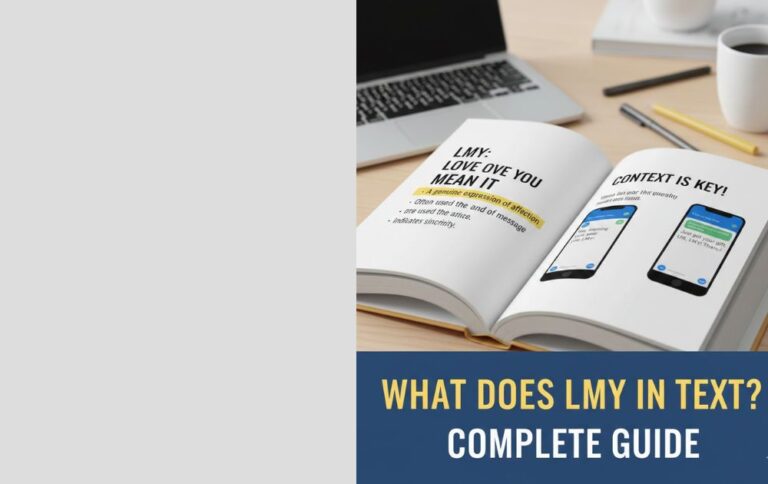
LMY means “Love Miss You.” It’s a heartfelt way to show someone you care about them and miss them at the same time. People use it when they want to share feelings quickly without writing long messages.
What Does LMY Mean in Text? The Sweet Acronym Everyone’s Using
Have you ever gotten “LMY” in a text and wondered what it means? Don’t worry, you’re not the only one. Texting is packed with short forms that show up everywhere, Snapchat, Instagram, TikTok, and regular chats.
This acronym is super popular with teens, young adults, and close friends. Knowing lmy meaning in text helps you chat better and reply the right way. Let’s dive into everything you need to know about this sweet acronym.
Quick Answer
What does lmy mean in text is pretty simple once you see it used. Like this: “Haven’t talked in forever… lmy 🥺❤️” means someone really misses you. You’ll see it all the time on social media and in private messages.
LMY Definition & Meaning
What does lmy mean is actually two feelings in one: “love” and “miss you.” This makes it more powerful than just saying hello. The lmy meaning hits different because it shows you’re being real and vulnerable with someone.
It’s stronger than simpler ones like ILY (I Love You) because it adds that missing-you feeling. Boyfriends, girlfriends, best friends, and even family use it when they feel both love and the pain of being apart. It packs a lot of emotion into just three letters.
Chat Examples
Couples love using this one. A girlfriend might text: “Goodnight babe… lmy so much 💕😴” before sleeping. People in long-distance relationships especially use these quick emotional messages throughout their day to stay connected.
Friends throw it around too. Your gaming buddy might say: “Bro where you been? lmy 😂🎮” when you haven’t played together in a while. It sounds less romantic and more playful, but it’s still real and sweet between friends.
Even family members use this shortcut. A student away at college might text: “Miss home cooking! lmy mom ❤️🏠” The cool thing about texting slang like this is it works for all kinds of relationships and makes digital chats feel more personal.
Background & History
What does lmy started becoming popular with Gen Z around 2018-2020. Unlike older text terms from the flip phone days, this one just naturally happened on social media. Instagram Stories, Snapchat streaks, and TikTok comments were perfect places for it to grow.
Quick messaging and character limits made people want texting abbreviations like this. Everyone wanted to share feelings fast without slowing down their chats. Social media also made it way more okay to be emotional online than it used to be.
Why it became popular:
Apps like Snapchat and Instagram made sharing feelings normal and even cool. Snapchat streaks especially boosted it because friends send daily messages to keep their streak number going up. Saying something sweet every day became a regular thing instead of feeling weird.
More people had long-distance relationships and friendships, especially after 2020. They needed quick ways to stay emotionally close when physically far apart. TikTok couples and viral relationship videos made these affectionate acronyms normal to use in public too.
Younger people just got way more comfortable being vulnerable online. Sharing feelings through social media slang felt easier than saying things face-to-face for lots of folks. This acronym hit the sweet spot between being casual and deeply emotional at the same time.
Usage in Texts & Social Media
Snapchat is where you’ll see this most. Streak messages look like: “Streaks! lmy 😭❤️” between close friends who message daily. Private snaps to boyfriends or girlfriends often have it during goodnight and good morning messages.
Instagram DMs show more casual but still emotional chats. Someone might say about a friend’s absence: “You haven’t posted in weeks… lmy fr 😩” The app works great with emoji-filled messages that include this sweet expression.
TikTok comments have this term on emotional videos. Relationship posts and friendship content get responses like: “This reminds me of my bestie… lmy 😭💕” Even though it’s public, people still mean it genuinely.
WhatsApp is big for international chats and family groups. Messages like “Drive safe. lmy.” pop up often in relationship chats and between close family. Gaming chats on Discord and Steam also picked it up for friends who play together online.
Tips
Adding emojis helps people understand what you mean. Hearts (❤️💕), sad faces (🥺😭), or fire emojis (🔥) totally change the vibe. Writing it lowercase feels casual and chill, while uppercase shows you’re feeling it strongly.
When you send it matters too. Use it when saying goodbye, after good conversations, or when checking in after being apart. Using it too much makes it less special, so save it for times when you really mean it and feel that connection.
Professional Suitability
Workplace texting etiquette says never use this at work. It sounds way too casual, too emotional, and totally wrong for business stuff. The slang nature makes you look unprofessional and can make coworkers feel uncomfortable around you.
Skip it completely in work emails, Slack messages, client chats, and LinkedIn. Professional networking needs clear lines between personal feelings and business relationships. Using informal acronyms like this can hurt your reputation and make people question your judgment about what’s appropriate.
Professional Alternative Phrases
Say things like “Looking forward to connecting soon” in work situations instead. “Hope to see you at next week’s meeting” keeps things warm without crossing lines. “I appreciate your input in our team discussions” shows you value someone professionally.
For work friends you’re close with, try “Miss collaborating with you” when they’re actually gone. “It was great working with you” fits perfectly when a project ends. These workplace-friendly phrases keep communication friendly but still appropriate for office culture and professional settings.
Other / Hidden Meanings
Context is everything in texting. The same three letters can mean totally different things depending on the conversation vibe, who you’re talking to, and what’s happening. Reading the whole chat thread helps you figure out what they really mean.
Generational differences matter too. Older people might not know this acronym at all, while younger folks use it without thinking. Different countries also use it differently, so being aware of culture stuff prevents awkward misunderstandings in international chats.
Alternate Meanings of LMY
“Let Me Yawn” shows sarcastic boredom sometimes. Someone might respond: “That story again? lmy 😒” when they’re sick of hearing the same thing repeated. The annoyed tone becomes super obvious through the other words and emoji they pick.
“Leave Me Yapping” shows up when friends are teasing. They might say: “You left me talking alone… lmy 😑” after being ignored during a conversation. This meaning only works in friendships where gentle teasing is normal and fun.
“Last Month’s Yield” is used in finance and business talk. Farm reports or investment chats might say: “LMY dropped by 2% compared to what we expected.” This technical meaning almost never shows up in regular personal texting.
Tip
Always look at emojis for hints about what they mean. Happy faces suggest love and affection, while neutral or annoyed emojis point to different meanings. Think about how the sender usually texts and what you’ve talked about before responding.
When you’re genuinely confused, just ask what they mean. A simple “Wait, what do you mean by lmy?” shows you care about understanding them. Usually the previous messages give you enough clues to figure it out without having to ask directly.
Best Practices for Using LMY
Your relationship with someone matters more than any strict rules. What works with your best friend might feel too intense for someone you just met. Reading the situation requires knowing how comfortable you both are and how you usually communicate.
Authenticity beats frequency every time. Using any emotional word too much makes it lose its meaning and feel fake. Save this acronym for real moments when you genuinely feel both love and missing for someone important to you.
Use LMY When:
Texting romantic partners is perfect, especially when you’re in different cities or countries where emotional reassurance matters daily. Private chats with close friends who get your texting style work great. Emotional moments like goodbyes before trips or after sharing something meaningful feel natural.
Snapchat streaks with your besties keep that daily connection going. Gaming friends you’ve actually bonded with over time appreciate these emotional check-ins. Family members you’re comfortable with, especially siblings near your age, respond well to this modern way of expressing feelings.
Avoid LMY When:
Work situations need completely different ways of communicating. New relationships need time before heavy emotional stuff feels right. People you barely know might find it too forward or pushy.
Group chats with different types of people risk awkward situations. During fights or tense talks, it can seem manipulative or fake. Talking with older people who don’t know texting acronyms just confuses them instead of connecting with them.
Public comments can look like you’re showing off rather than being genuine. Talking across cultures without knowing each other needs clearer, more direct language. When people might doubt your sincerity, spell out your feelings in full words instead.
Communication Tips
Check how the other person texts before copying their style. Some people love acronyms while others like complete sentences. Mix emotional shortcuts with real conversation that shows you’re genuinely interested beyond quick expressions.
Don’t only use acronyms for keeping up relationships. Follow up texts with actual phone calls or video chats. Effective texting communication mixes quick expressions with deeper, more meaningful talks that build real connections between people.
Top Related Acronyms / Slang Terms
ILYSM (I Love You So Much) shows strong feelings: “You’re the best! ILYSM ❤️” is intense without the missing part. IMU (I Miss You) focuses only on absence: “Haven’t seen you, IMU 🥺” doesn’t include the love element.
WYD (What You Doing) starts casual check-ins: “Bored… wyd?” opens up conversations naturally. LDR (Long Distance Relationship) describes relationship status: “LDR struggles are real 😭” talks about specific challenges couples deal with.
TTYL (Talk To You Later) gives friendly goodbyes: “Gtg, ttyl! ✨” ends chats positively. BAE (Before Anyone Else) shows romantic priority: “Goodnight bae 💕” says someone’s special in your life.
OOMF (One Of My Followers) references people indirectly: “OOMF is so funny 😂” talks about followers without naming them. GM/GN (Good Morning/Good Night) keeps daily contact: “gn, sleep tight 🌙” creates comforting routines between people.
OTP (One True Pairing) celebrates favorite couples: “They’re my OTP! 😍” shows shipping enthusiasm. FWB (Friends With Benefits) defines relationship types: “Just FWB, nothing serious” makes boundaries super clear.
How to Respond to LMY
Matching their vibe creates smooth conversations and shows emotional intelligence. Think about your relationship with them before deciding what to say back. Being authentic always wins over trying to sound cool when that’s not how you normally talk.
Emoji usage makes responses way better and adds emotional depth. Quick replies work for casual check-ins, while thoughtful responses suit deeper emotional moments. Your reply style should feel comfortable and true to your personality.
Casual Response
“lmy too! let’s hang soon 😊” keeps things light and friendly. “miss you bro, catch up this week?” adds actual plans to follow through. “lmy! been too long fr” recognizes the time you’ve been apart genuinely.
“same here! 💙” gives simple reciprocation back. These friendly text responses keep the connection going without making things too intense. They work perfectly for close friends and comfortable relationships where you’re both chill.
Cute / Romantic Response
“lmy more 🥺❤️” creates sweet competition about who misses who more. “counting down until I see you 💕” shows you’re excited about being together again. “you’re always on my mind 😘” shows constant thought and care.
“can’t wait to be together again ✨” looks forward with hope. Romantic text replies make emotional bonds stronger and reassure partners they’re loved. Adding romantic emojis makes the tender feeling even more beautiful and clear.
Funny Response
“lmy? bro I saw you 10 minutes ago 💀” creates humorous perspective on the situation. “miss me already? clingy much? 😂” teases in a playful way. “aww did you run out of memes to send?” jokes around lightheartedly.
“same energy tbh 🤪” acknowledges their feelings with humor. Playful texting works in relationships where teasing actually shows affection and care. The humor shouldn’t completely undermine the genuine feeling though.
Professional (if accidentally received)
“Thank you for reaching out!” acknowledges them politely without matching their informal tone. “Appreciate the message. Talk soon.” stays brief and shifts to professional mode. “Thanks! Looking forward to our next meeting.” moves to appropriate topics.
Keep replies short and don’t point out their informality directly. Professional text etiquette keeps boundaries without embarrassing the person who sent it. Move to appropriate topics smoothly and naturally without making it awkward.
Flirty Response
“lmy too 😘 when can I see you?” adds romantic anticipation and forward movement. “stop making me blush 🙈” shows affected shyness that’s flirtatious. “you have no idea how much 💕” hints at even deeper feelings brewing.
“come over then? 😏” creates opportunity and takes action directly. Flirty text responses build romantic tension while showing you’re interested too. The playful confidence attracts them and keeps engagement going strong.
Regional & Cultural Differences
Global digital communication changes a lot across different cultures even though everyone uses the same apps. International texting slang adapts to local languages, customs, and comfort levels with emotion. Understanding these differences prevents awkward misunderstandings in diverse online spaces.
Emoji usage, how formal to be, and showing emotion varies worldwide. What feels casual in one culture might seem too forward in another. Language translation and local slang create unique versions in different regions.
United States
Super popular among Gen Z and millennials across all major apps. TikTok, Snapchat, and Instagram have it constantly in romantic and friendship chats. US texting trends embrace casual emotional expression as the normal way to communicate.
American emoji styles work perfectly with this acronym. The cultural comfort with quick, informal communication makes it feel totally natural. Young Americans rarely think twice about expressing feelings through digital shortcuts.
UK / Europe
More reserved usage compared to Americans doing it everywhere. British slang has alternatives for similar feelings and sentiments. Shows up mainly in private DMs rather than public comments or posts.
European youth are adopting it steadily but it’s still less common overall. European texting culture leans a bit more formal in general. The emotional openness is gradually increasing among younger generations though.
Asia
Popular among young social media users who mix it with their own languages. Heavy emoji and sticker usage goes along with these messages always. K-pop and anime culture heavily influence how people communicate online.
Different versions appear on WeChat, LINE, and KakaoTalk depending on the country. Asian texting slang often mixes English acronyms with characters from native languages. This hybrid approach creates unique regional expressions everywhere.
Middle East
Used in close relationships and private conversations mainly. Often combined with Arabic phrases and traditional ways of expressing care. Gender-specific communication norms affect how it’s used noticeably.
Family-oriented contexts embrace it more than Western cultures typically might. Arabic texting culture balances respect for traditional values while adopting modern shortcuts and efficiency. The balance between tradition and modernity actively shapes usage patterns.
FAQ About LMY
What does lmy mean in texting?
LMY means “Love Miss You” in texting. It combines affection and longing in one quick abbreviation. People send it to express deep feelings fast in messages.
Is LMY romantic or just friendly?
It depends on who you’re talking to and the conversation vibe. Couples use it romantically while close friends use it platonically. Emojis and previous messages help clarify.
Can I use LMY with family members?
Yes, family members comfortable with modern slang appreciate it just fine. Siblings and parent-child relationships use it naturally. Just consider if they know texting acronyms first.
Does LMY have multiple meanings?
Yes, alternatives include “Let Me Yawn” sarcastically or “Leave Me Yapping” playfully. Context, emojis, and your relationship reveal the intended meaning. Primary usage stays “Love Miss You.”
Is LMY appropriate for work or professional settings?
No, never use it at work or in professional situations. It’s too casual and emotionally intimate for workplace communication. Use proper alternatives like “looking forward to connecting” instead.
Conclusion
Lmy meaning in text shows how modern people express emotions through digital communication. This sweet acronym combines love and longing perfectly in just three letters. Understanding when and how to use it makes your connections stronger across social media and private messages.

